For two years, Chile has been rocked by students demanding a more equal education system among social classes, free access to higher education and an end to profiteering. However, there has been little negotiation between the government and students — and no future progress is in sight. So, it remains that while Chile is home to some of the best schools in the region, the country is also host to very under-funded public institutions. I work with students in the latter.
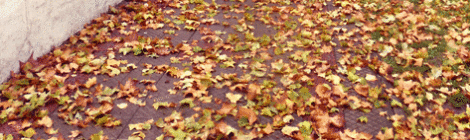
Apartment conserjes and shopkeepers are diligent about sweeping up (yes, sweeping … like with a broom, not a rake) all the leaves on their turf each day, so it rarely feels like fall. But this Saturday morning — it seemed like the whole city was still asleep.

Welcome to the first day of my fifth and sixth grade English class. There are 23 students aged 10 and 11 who don’t know what “how are you?” means. And there’s me — far outnumbered and far from proficient in their native Spanish tongue.

We entered Chile in San Pedro de Atacama, the driest desert on the planet. And all I remember is pure exhaustion.

Being born and raised in Southern Nevada’s desert, I wasn’t sure how impressed I’d be by Bolivia’s landscape. I’ve never appreciated the desert for its potential beauty, always discounting it as brown and bland. But those descriptions just don’t tell the whole story. Diverse scenery speckled the trek. Breathtaking views, coupled with a group of amazing new friends made for quite a fun adventure.

Standing out there — in the middle of beautiful, vivid nothingness — I thought about where I am at in my life and tried to gain “perspective.”

At what point does the tourism industry completely overrun and obscure the landmark? Is it possible to have both without devaluing the experience for either the tourists or the locals? Opening up a culture to tourism will taint it … but when does it go too far and where is the balance? Are you really experiencing this world if you are only visiting the tourist-ready version?